Fighting for Lower Utility Costs

Making New York more affordable is one of my top priorities. High utility costs are among our biggest challenges, and I’m fighting on a number of fronts to lower these costs. (If you are looking for resources to help with your household energy costs, scroll to the end of this page or click here to skip to that section.)
Action During the 2025 Con Edison Rate Cases
Our utility bills were already too high before Con Edison requested to raise them last year. I took action to prevent double-digit rate increases from going into effect.
Joining the Rate Cases as an Intervenor
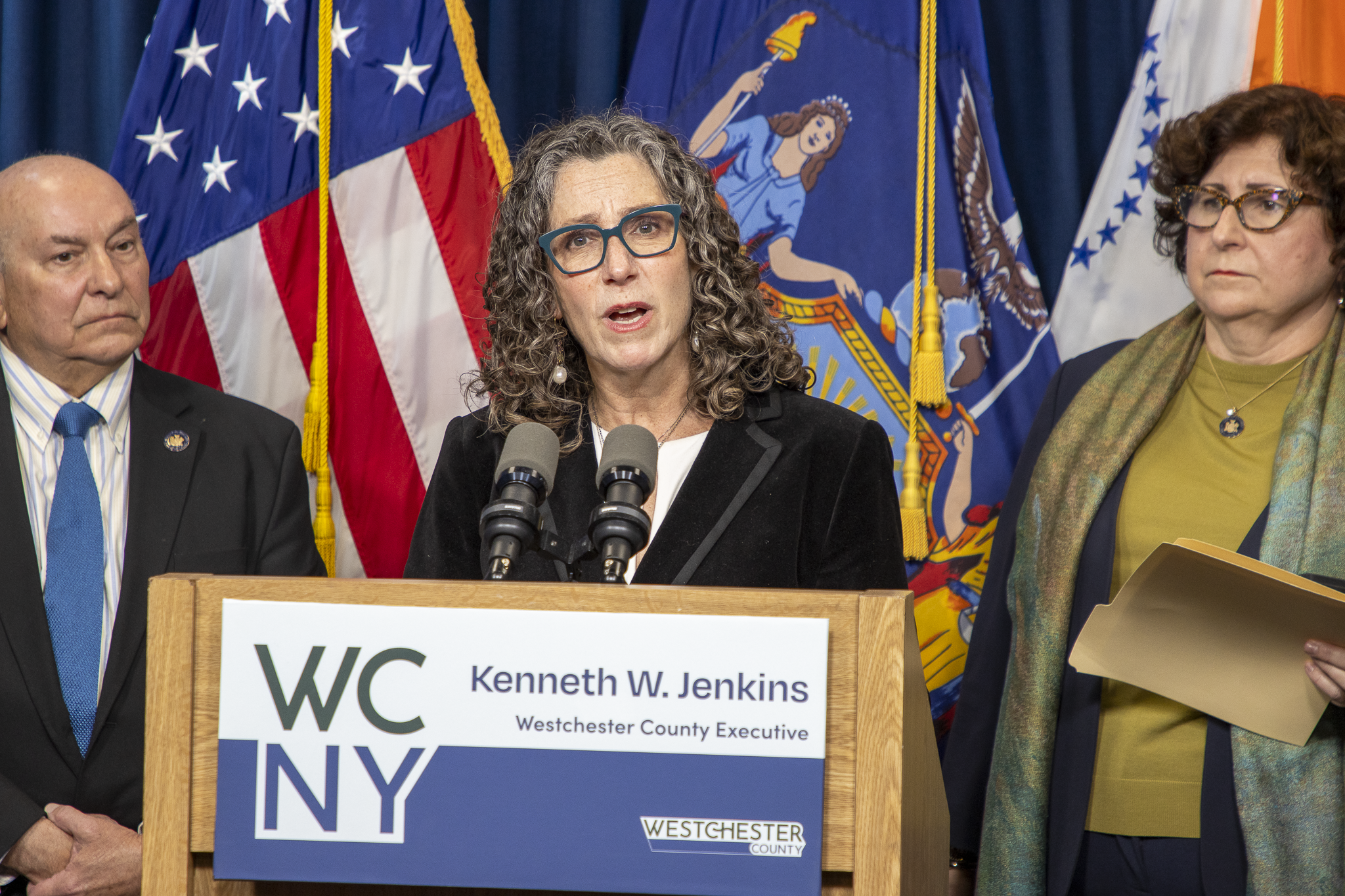
Last spring, I became a formal participant in both of the 2025 Con Edison rate cases. By becoming a formal party, I was able to participate in settlement negotiations. At the end of these negotiations, Con Edison and several of the parties involved in the negotiations released a Joint Proposal that was approved by the Public Service Commission (PSC). I am proud of the progress my colleagues and I made through our participation in the cases; the delivery rates included in the Joint Proposal are significantly lower than those Con Edison initially proposed. However, I did not think the Joint Proposal went far enough to address affordability concerns, and I submitted a letter of opposition to the PSC along with several of my colleagues. Click here to read more about my opposition to the proposal, and how my legislative colleagues and I plan to continue the fight for lower utility costs.
Promoting Public Participation

The Public Service Commission (PSC) needs to hear directly from residents about the impact of rate increases on their household finances. The more personal testimony they hear, the better. The collective advocacy of elected officials throughout Westchester led the PSC to host additional in-person public hearings this past July, including one here in Assembly District 95. The PSC received tens of thousands of comments about these rate cases, which is something we can be proud of, and definitely influenced Con Edison’s decision to significantly lower the rate increases they asked for.
Webinar: “How to Participate in The Con Edison Rate Cases”
To answer questions and help residents prepare to testify in rate cases, I co-hosted a webinar with the Public Utility Law Project, Westchester County Executive Ken Jenkins, and my colleagues in Assembly Districts 92 and 93, Assemblymembers MaryJane Shimsky and Chris Burdick. Watch it above or click here to see it on my YouTube channel.
Supporting Legislation to Lower Energy Costs and Reform Utility Practices
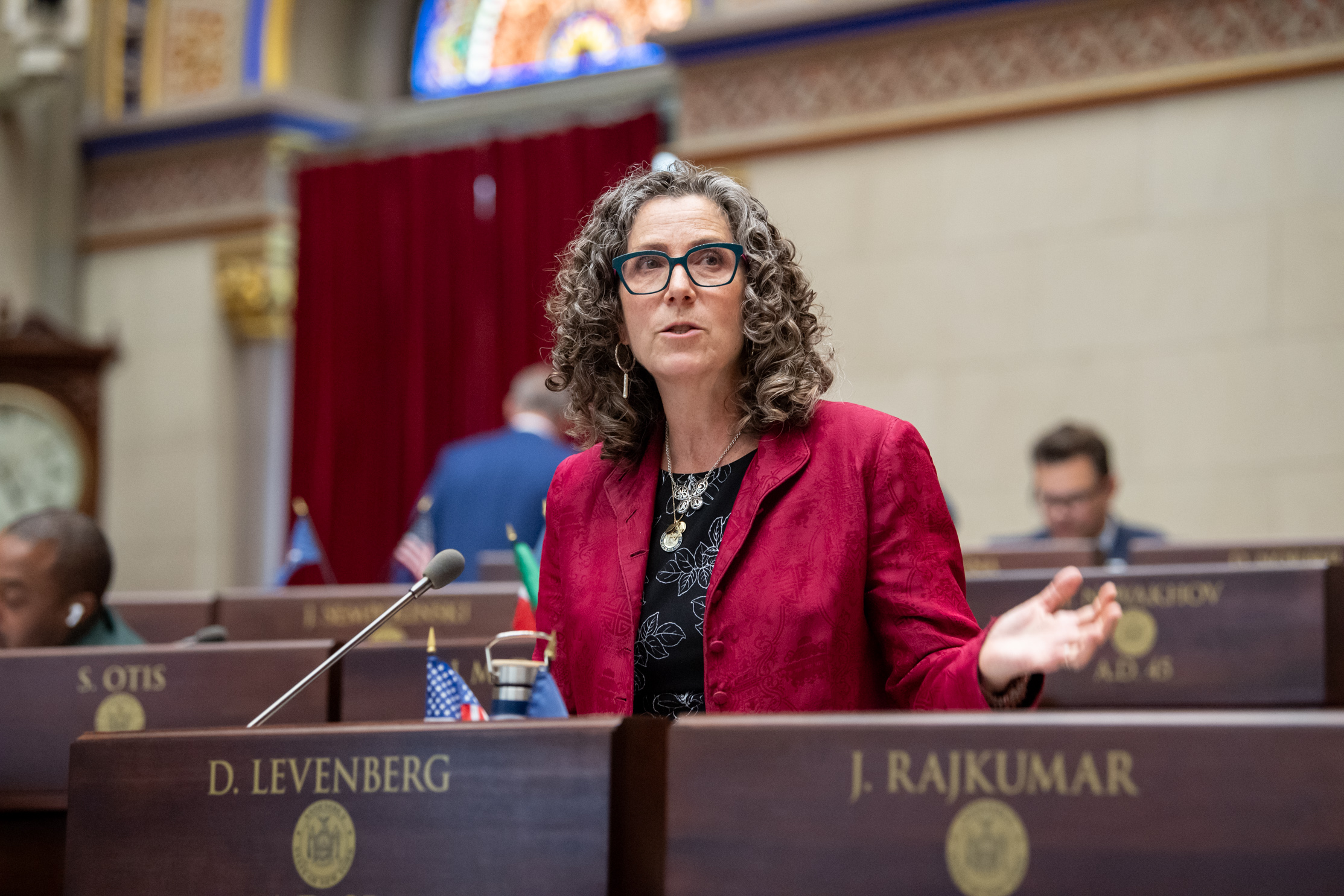
My experience as an intervenor in the Con Edison rate cases was very eye-opening, and the collective noise my colleagues and I have been making regarding utility rates, alongside local and county officials and members of the public, is resulting in some much needed changes. The budget we passed this year includes measures to begin reining in utilities and shifting power back in the direction of ratepayers, including:
- New rules requiring utilities to return excess profits to ratepayers
- Rules specifying costs that utilities cannot recover from ratepayers and limiting the amount of rate-case related spending that utilities can recover from ratepayers
- A new requirement directing the Public Service Commission to develop an energy affordability index to track the financial impact of energy rates on residential customers. This new rule also empowers the PSC to install an independent affordability monitor to study and recommend changes at utility companies whose average customer spends more than 3% of their income on electricity services or 6% of their income on combined gas and electricity service.
- Utilities will also now be required to present a “budget-constrained” option when requesting a rate increase, instead of just asking for the moon and hoping to land among the stars. This option cannot contain rate increases higher than the prevailing rate of inflation.
- A new Residential Affordability Through Energy Savings (RATES) Commission will study the causes of increasing utility costs and propose solutions.
In addition, we also approved $1 billion to send out Protecting Our Wallets Energy Rebate (POWER) checks. New Yorkers who filed tax returns for the 2024 tax year can expect to receive rebates in the following amounts:
- Joint filers with incomes below $150,000 will receive a check for $200;
- Joint filers with incomes between $150,000 and $300,000 will receive a check for $150, and
- Single filers with incomes below $150,000 will receive a check for $100.
Additionally, I sponsor several bills that would lower energy costs if enacted. These include:
- Legislation to establish the State & Local Clean Energy partnership. My bill, A.3585, is bipartisan legislation that would direct the PSC to establish a standard New York State community choice aggregation program for all utilities, giving low- to moderate-income households access to clean energy at fixed rates and credits equal to 10% off of the value of their bills each month.
- Legislation to accelerate the deployment of community solar. My Community Solar Opportunity and Local Approval Reform (Community SOLAR) legislation (A.9087) would streamline and standardize permitting requirements for community solar projects statewide, accelerating the deployment of community solar, which enables people who cannot put solar on their homes to enjoy the benefits of cleaner energy and lower costs.
- A.7060, which would authorize NYSERDA to provide grants or low-cost loans for costs related to replacing propane or fuel oil heating systems to electric heat pumps. Click here to read more about this legislation.
I am also a co-sponsor of multiple pieces of legislation to reform utility practices. These include:
- Legislation to end the obligation to serve gas. Gas infrastructure is incredibly expensive to maintain. Eliminating the obligation to serve gas is the single most important thing we can do to rein in costs. Replacing it with an obligation to serve energy more generally would enable utilities to replace old, expensive gas infrastructure with less expensive options. While the bill that would have gone the furthest toward lowering costs, the New York HEAT Act, has not yet passed the Assembly, I am continuing to fight for legislation to end the obligation to serve gas and enable utilities to pass the resulting cost savings on to ratepayers.
- Ending the 100-foot-rule. The Assembly and Senate passed A.8888 last year to end the 100-foot-rule, which required all ratepayers to subsidize the cost of new connections to the gas system. Ending this gas subsidy is a small but important step toward limiting the expansion of gas infrastructure. I was proud to co-sponsor this legislation and am so pleased the Governor has signed it into law.
- Legislation to limit the costs utilities can pass on to ratepayers. A.4249 which passed as part of this year’s budget agreement, prohibits public utilities from using ratepayer funds to pay for lobbying and political donations. Parts of A.5402A also passed as part of this year’s budget; utility companies will now be responsible for most of the cost of participating in rate cases before the PSC, and executive compensation will be linked to utilities’ performance on the new affordability benchmarks being developed by the PSC. A.1028 would help constrain costs by requiring public utilities to adopt a common equity ratio and rate of return on equity, reducing pressure to raise rates in order to pay for higher shareholder returns.
- A.8150 which requires utility companies to return any profit in excess of their approved return on equity to ratepayers. I’m proud that this legislation passed as part of this year’s budget.
My office is currently reviewing additional pieces of legislation that could help bring energy costs down, as this is a top priority for me.
Resources for Lowering Energy Costs
There are a variety of programs available to help New Yorkers lower home energy costs, including programs open to people of all income levels - see below for more information.
Financial Assistance Programs
Home Energy Assistance Program (HEAP): HEAP helps income-eligible households with heating and cooling costs. You can apply at your local Department of Social Services office or start an application at mybenefits.ny.gov.
Energy Affordability Program (EAP): EAP provides income-eligible households with monthly bill discounts. Ask your utility company for an application or visit the Department of Public Service webpage: https://dps.ny.gov/energy-affordability-program.
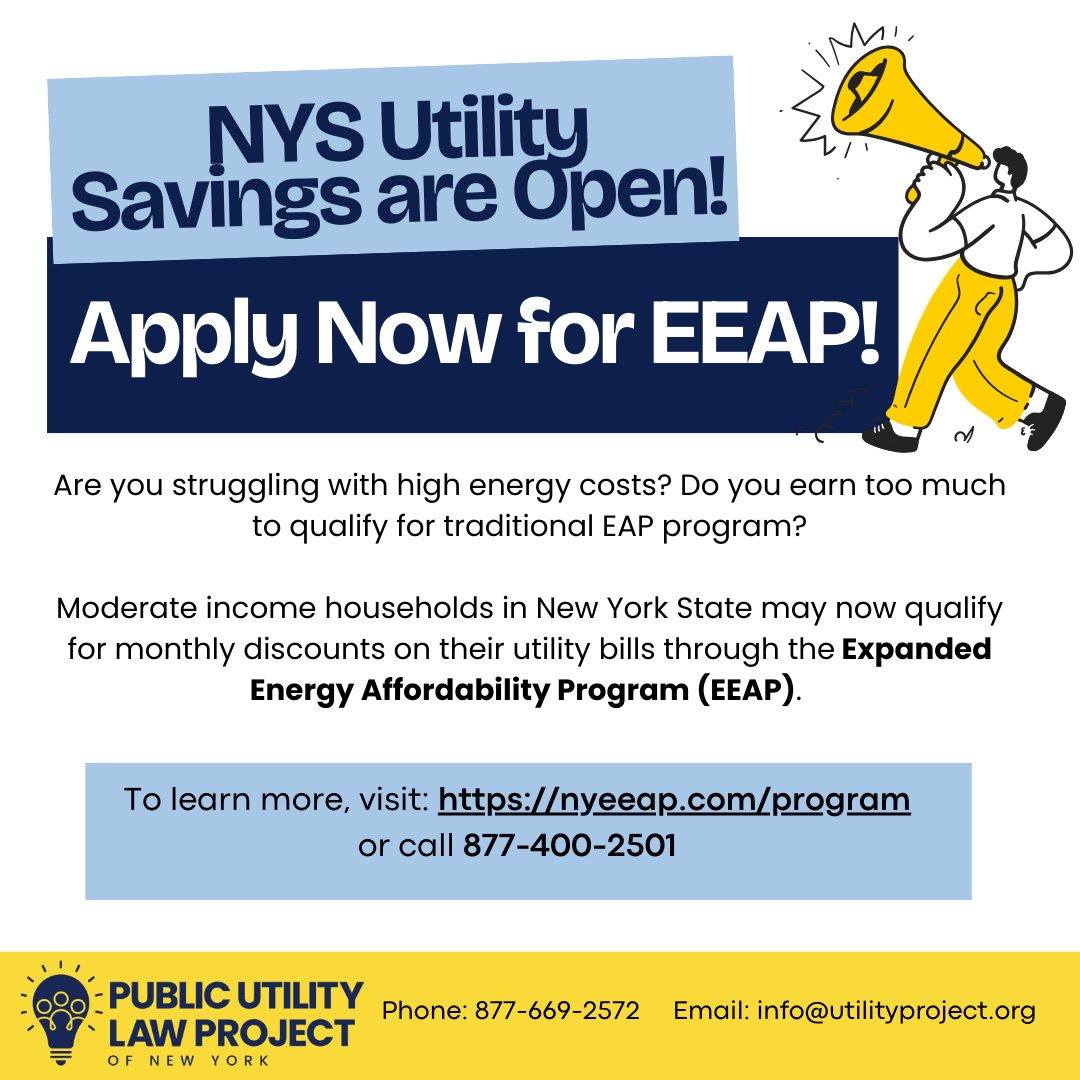
Enhanced Energy Affordability Program (EEAP): In January 2026, New York State rolled out a new Energy Affordability Program to support households who were not eligible for the original EAP but still struggling with increasing energy costs. The new Enhanced Energy Affordability Program provides eligible moderate-income households with monthly discounts on their utility bills. To apply, customers disclose how many people are in the household and provide proof of income for the last month. Once approved, discounts should be automatically applied within two billing cycles and continue for 18 months. The income threshold for a family of 4 is $162,000 in the Con Edison territory and $133,610 in the Central Hudson territory. To learn more, visit https://nyeeap.com/program or call (877) 400-2501.
One Shot Deals (Emergency Assistance): If you are having acute difficulty paying your utility bills, your local Department of Social Services (DSS) office may be able to help with a one-time payment to prevent disconnection. Note that repayment may be required. For more information, contact your local DSS office. Westchester residents can call (914) 995-3333; Putnam residents can call (845) 808-1500.
Department of Public Service (DPS): DPS is responsible for enforcing utility-related protections for New Yorkers. If you are having difficulties with your utility company, they can assist you with issues like payment agreements as well as other concerns, such as extreme cold protections, medical certifications, and the like. You can file an inquiry or complaint by calling 1-800-342-3377 or visiting dps.ny.gov/complaints.
The Public Utility Law Project (PULP): PULP assists low-income New Yorkers with utility-related issues. They can be reached at (877) 669-2572 or via email at intake@utilityproject.org.
New York Energy Advisor: Click here to get a comprehensive guide to energy-saving offers and more information about your rights as a utility customer in New York State.
Energy- and Money-Saving Programs
NYSERDA’s Comfort Home program: Click here to learn more about the Comfort Home program, in which participants can receive incentives ranging from $1,000-$4,000 for insulation, air sealing and energy efficiency work in their homes.
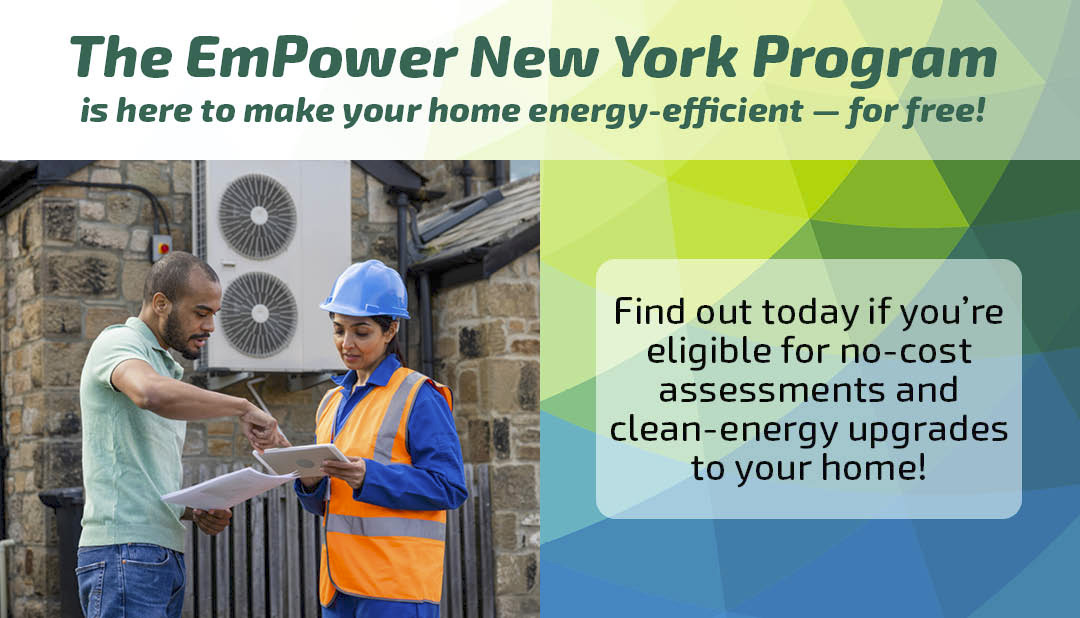
EmPower+: Income-eligible households (including renters) can receive up to $10,000 for energy efficiency upgrades to their homes. Click here to learn more and apply.
Weatherization Referral Assistance Program: Income-eligible Westchester seniors can qualify to receive up to $5,000 for insulation, air sealing, door and window upgrades, and more through this program from the Westchester County Department of Senior Programs and Services. Click here to learn more and apply.
GridRewards: Con Edison households can earn money for reducing energy usage by participating in GridRewards. You can download the app to your iPhone or Android phone or sign up online to get energy-saving tips and notifications about special GridRewards events during which you can earn higher rewards. You can also earn cash for referring friends to the program. Average households can earn over $100 per year over and above the money they save by reducing their energy usage. To learn more, including how to enroll, visit https://sustainablewestchester.org/gridrewards/. Sign up by April 30 to maximize your earnings.
If you have any questions or concerns about energy costs or any other state issue, please feel free to call my district office at (914) 941-1111 or send a message using my contact form.