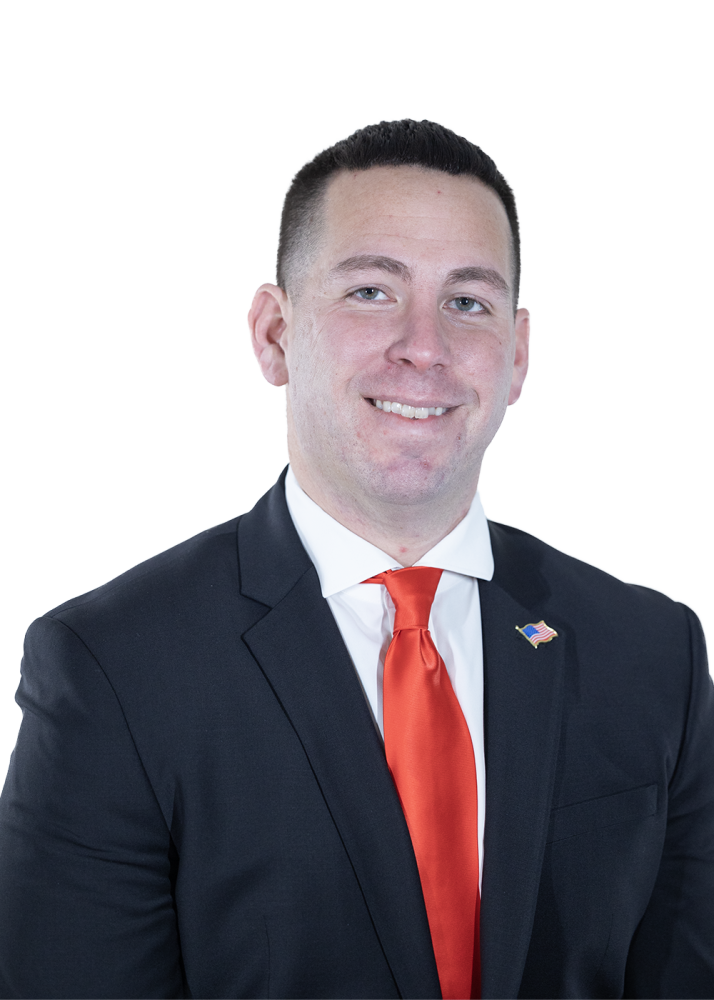
Maher Highlights New Report Showing Continued Food Insecurity Across Hudson Valley
Assemblyman Brian Maher (R,C-Walden) is highlighting newly released data showing the continued prevalence of food insecurity across the Hudson Valley and the importance of local partnerships that bring food assistance directly into communities where it is needed most.
According to Feeding America’s newly released Map the Meal Gap 2026 study and data highlighted by the Regional Food Bank, nearly 168,000 people across six Hudson Valley counties are experiencing food insecurity, representing approximately 12% of the region’s population. Among children, the need is even greater, with 53,390 Hudson Valley children—approximately 1 in 6—experiencing food insecurity.
Sullivan County has one of the highest rates in the region, with nearly 15% of residents experiencing food insecurity.
Team Maher has partnered with the Regional Food Bank, Ramapo Catskill Library System (RCLS), local libraries, food pantries and community organizations to help bring pop-up food distributions to communities throughout the district. By utilizing trusted and accessible community locations, these events help connect families, seniors and other residents with fresh and nutritious food closer to home.
“These numbers are alarming, but unfortunately, they reflect what we continue to see and hear from the communities we serve,” said Meghan Hurlburt, chief of staff to Assemblyman Maher. “For families living in our more rural communities, accessing food assistance can come with additional challenges, including transportation and distance. That is exactly why our office has worked alongside the Regional Food Bank, RCLS, local libraries, food pantries and community partners to bring pop-up food distributions directly into the communities we represent.”
The need for locally accessible resources is particularly important throughout the rural communities that make up much of the 101st Assembly District. Feeding America’s national findings show that more than 8 out of 10 counties with the nation’s highest food-insecurity rates are rural.
“The challenges we are facing, as well as those our partners in the charitable food industry have faced in recent months, are truly unprecedented,” said Tom Nardacci, CEO of the Regional Food Bank. “With federal cuts to the USDA, the SNAP crisis, and increasing inflation, our more than 1,000 partner agencies are witnessing longer lines and greater demand. The generosity of industry partners, businesses, groups and organizations, volunteers and our neighbors allowed us to hold the line of food insecurity rates among adults at 12%, but we need more help from our community to meet the demand for our children.”
“Our libraries, food pantries and community organizations know their neighbors and understand where the need exists,” Hurlburt continued. “Working together allows us to bring resources closer to home and reach residents who might otherwise face barriers to accessing them. We are incredibly grateful to every organization, volunteer and community partner who has worked with our office to make these distributions possible. The latest numbers make clear that this work remains as important as ever.”
Feeding America’s Map the Meal Gap study provides annual estimates of food insecurity and food costs at the county and congressional district levels. The 2026 report reflects 2024 data and found that food insecurity exists in every county and congressional district in the United States.